What is Maharashtrian Food? A Complete Guide to Maharashtra's Rich Cuisine
March 15, 2026
My mom gets genuinely upset when someone says Indian food and means butter chicken. She takes it personally because that’s not what she grew up making back home in Maharashtra. And she’s right. Maharashtra is huge. The food near Mumbai is totally different from what they eat in Kolhapur. Pune does its own thing. Most Americans haven’t even heard of Maharashtrian food, which is a shame considering how incredible it is.
What Makes Maharashtrian Cuisine Different?
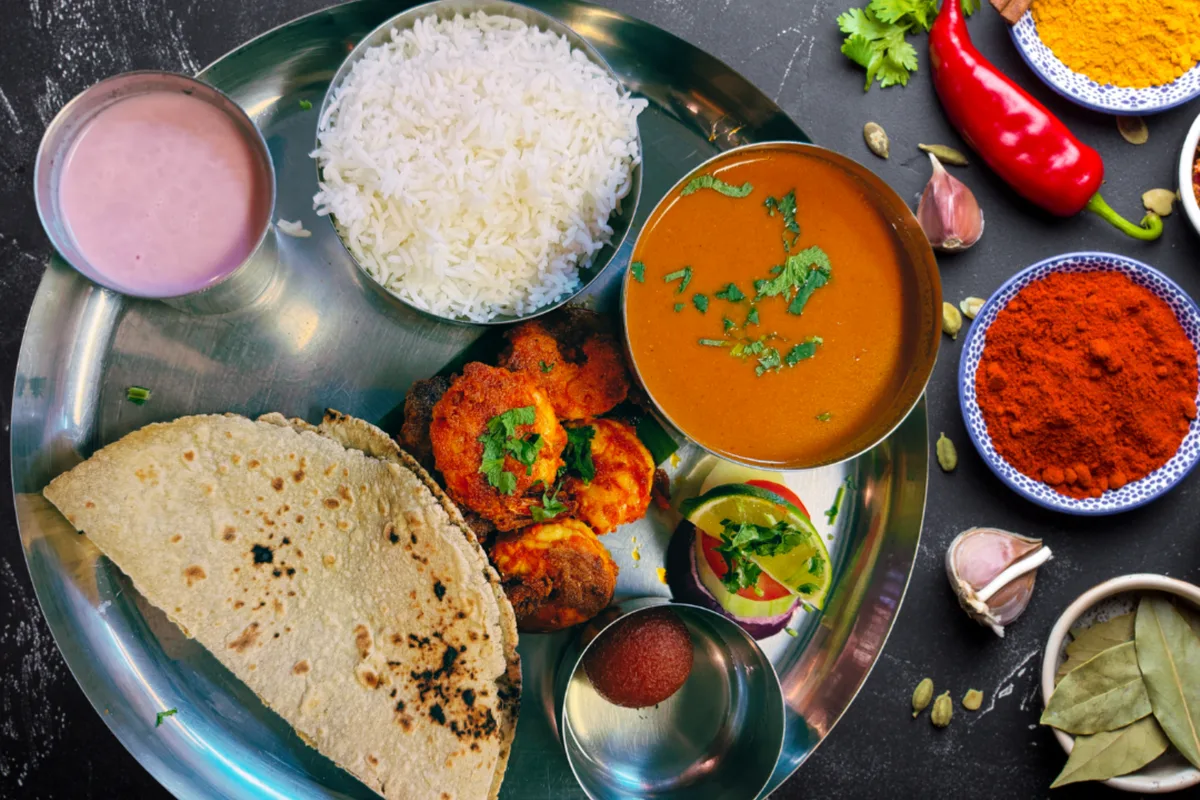
The biggest difference is what Maharashtrian cooks reach for. Instead of leaning on cream and butter, they build body and flavor from peanuts, coconut, kokum for a clean sour tang, and goda masala — a dark, faintly sweet spice blend (the word goda literally means sweet) made with coriander, sesame, dried coconut, and stone flower, often bloomed in hot oil before anything else goes in the pot. My grandmother swore by a pinch of asafoetida and would tell anyone who listened that it fixes everything. Geography shapes the rest. Along the Konkan coast you get Malvani cooking, where coconut and fresh fish lead — the reason our Malvani Fish Thali pairs fish curry, fish fry, and shrimp masala with solkadi, a pink kokum-and-coconut cooler that cuts the heat. Inland in Kolhapur, the food turns fierce and meat-forward, which is exactly what our Kolhapuri Tambda Rassa, a thin, blazing-red chili broth, is built to deliver. What ties it all together is that Maharashtrian food gets its character from spice and sharpness, not from anything smooth or heavy.
The Pillars of Maharashtrian Cooking
A proper thali isn’t just a meal, it’s a small philosophy on a plate. The idea is to hit all six rasas in one sitting — sweet, sour, salty, bitter, spicy, and astringent — which is balanced eating long before anyone gave it a name. You can see that logic in our Veg Thali: an appetizer, two vegetables, bread, masale bhat (a spiced rice), varan bhat, mattha (a cumin buttermilk), koshimbir, pickle, papad, and a dessert, each element doing a different job on the tongue. Goda masala ties most of the savory dishes together, and every family has an opinion on it — some still grind their own, others are loyal to one particular shop. When a recipe needs real heat and depth, Kolhapuri masala does the heavy lifting instead. And the peanuts and coconut you’ll taste in so many of these dishes aren’t an afterthought; they thicken and round out a curry the way cream does in other cuisines. It’s a resourceful way of cooking that has been quietly working for generations.
Iconic Maharashtrian Dishes You Must Try
If you’re new to the cuisine, a few dishes are a good place to start. Vada Pav is the street-food legend — a crispy potato fritter in a spicy besan coating, tucked into a soft bun. Misal Pav brings sprouted moth beans under a fiery tarri, and Pav Bhaji is a mash of buttery vegetables cooked down on a hot griddle. But the dishes that really show off home-style Maharashtrian cooking are the ones people rarely see outside a Marathi kitchen. Kombdi Vade — Malvani chicken curry served with two bhaajni vade, a multigrain fried bread, and solkadi — is a coastal classic. Thalipeeth, a savory multigrain pancake served with a dollop of loni (whipped white butter), is the kind of thing a Maharashtrian grandmother makes for breakfast. Kothimbir Wadi, steamed-then-fried coriander and gram-flour squares, is pure snack-time comfort. And for a sweet finish there’s Ukdiche Modak, steamed rice-flour dumplings filled with jaggery and coconut that we make to order on a 48-hour pre-order because they’re too delicate to sit around. None of these dishes appeared by accident; each one grew out of local ingredients, festival traditions, and a good deal of home-kitchen ingenuity.
One State, Four Very Different Plates
Part of what confuses newcomers is that “Maharashtrian food” isn’t one thing. Mumbai is the street-food capital, where vada pav, misal, and pav bhaji were invented to feed mill workers and commuters fast and cheap. Pune leans more traditional and Brahmin-influenced, with subtler spicing and dishes like puran poli and sabudana khichdi. Kolhapur, in the south, is the spice belt — this is where tambda rassa (red gravy) and pandhra rassa (a white, coconut-and-pepper broth) come from, and where chili is worn like a badge. And the Konkan coast brings Malvani cooking: coconut, kokum, and the freshest fish, finished with solkadi. On our menu you’ll find all four threads, from the Mumbai-style snacks to the Goat Pandhra Rassa and the Malvani thalis — because leaving any of them out wouldn’t be an honest picture of the cuisine.
Finding Authentic Maharashtrian Food in New Jersey
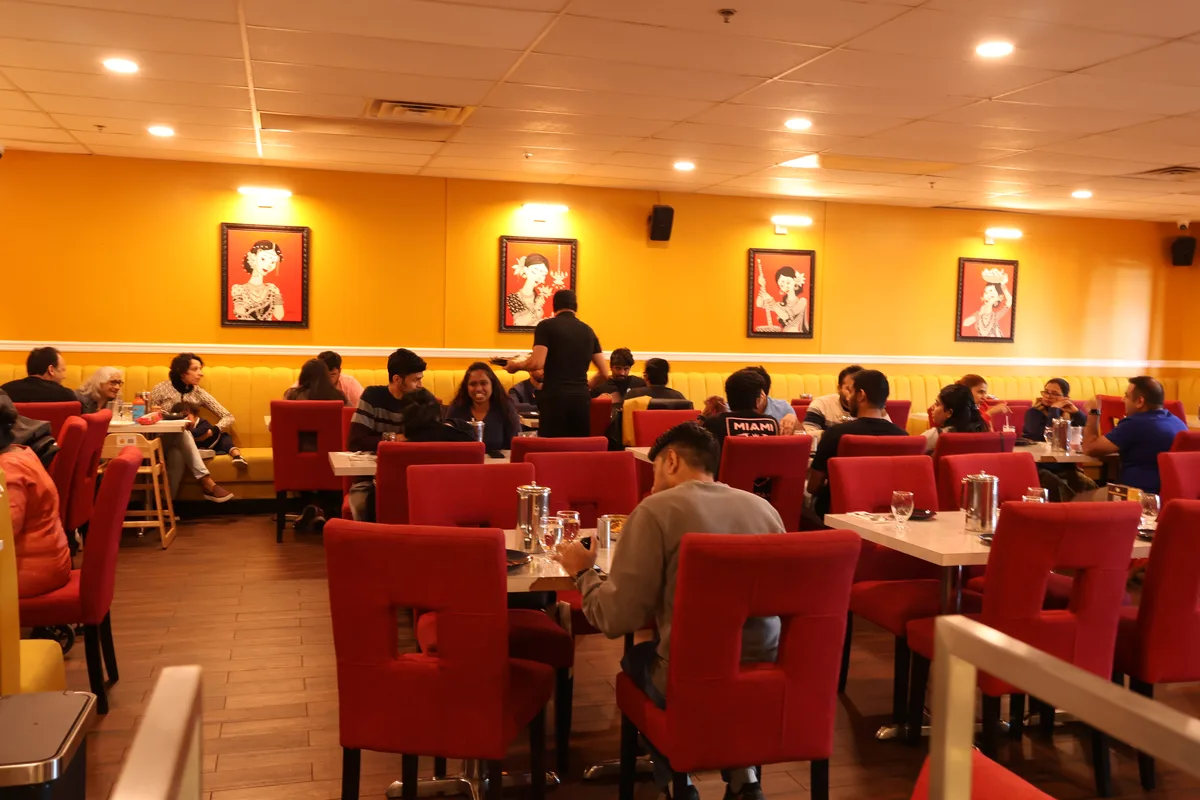
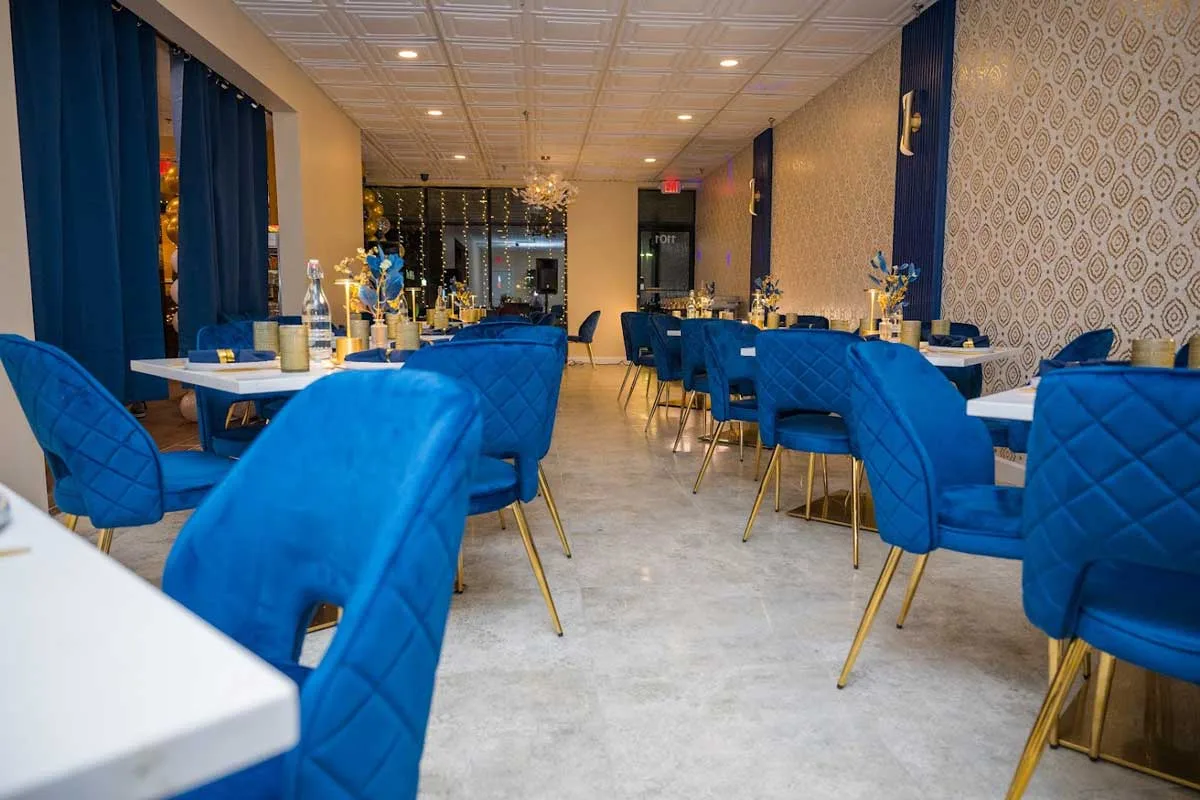
Anyone who has moved to New Jersey craving proper Maharashtrian food knows how frustrating the search can be. Most places serve a generic, North-Indian-leaning idea of Indian food, and very little of it tastes like home. That gap is exactly why we opened Mejwaani in 2015. At 1103 Inman Ave in Edison, we set out to cook this food the way it’s supposed to be made — we grind our goda and Kolhapuri masalas in-house rather than buying them pre-made, and we keep regional dishes on the menu even when they’re unfamiliar to a wider crowd. Honestly, the restaurant exists because we couldn’t find this food anywhere nearby, so we decided to cook it ourselves. If you want to ease in, start with a thali — the Veg, Chicken, or Mutton — which gives you a guided tour of the cuisine in a single sitting.
Visit Mejwaani for dine-in or order tiffin service through order.mejwaani.com/tiffin. We grind our masala fresh daily. We handle catering for your events. Our party hall seats 50 guests. Call us at (908) 279-7460 to learn more about our menu or book an event. We’re bringing Maharashtra to New Jersey — one authentic meal at a time.